
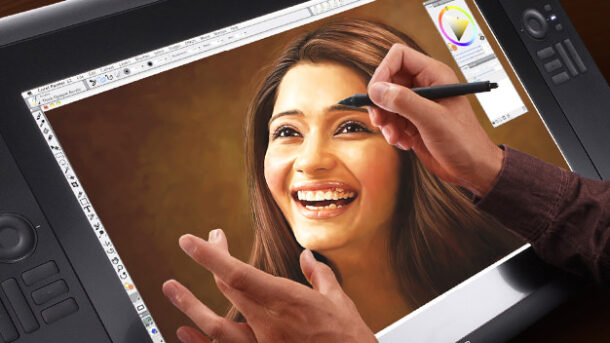
Digital art has transformed the creative landscape and redefined how artists produce, share, and experience visual content. From illustrations and animations to concept designs and multimedia projects, digital art has become an essential part of modern culture. Advancements in technology have provided artists with powerful tools that enable greater creativity, flexibility, and accessibility than ever before.
Today, digital art is widely used in entertainment, advertising, publishing, gaming, education, and social media. Its influence continues to grow as artists embrace new technologies and innovative techniques that expand the boundaries of creativity.
Understanding Digital Art
Digital art refers to artistic creations produced or enhanced using digital technologies.
Artists may use:
- Drawing tablets
- Graphic design software
- Computers
- Mobile devices
- Artificial intelligence tools
Unlike traditional methods that rely on physical materials, digital art allows creators to work electronically while maintaining exceptional levels of detail and precision.
The ability to experiment freely and edit easily has made digital art increasingly popular among artists worldwide.
The History of Digital Art
The roots of digital art can be traced back to the development of computer technology in the twentieth century.
As software and hardware evolved, artists gained access to new tools that allowed them to explore different forms of expression.
Significant developments included:
- Computer graphics
- Digital illustration software
- 3D modeling programs
- Animation technologies
Over time, digital art became more accessible, allowing independent creators and professionals to produce high-quality work.
Today, digital art is an integral part of numerous creative industries.
Advantages of Digital Art
Digital art offers several benefits compared to traditional methods.
Unlimited Flexibility
Artists can easily:
- Undo mistakes
- Experiment with colors
- Modify compositions
- Create multiple versions
This flexibility encourages creativity and reduces limitations.
Cost Efficiency
Digital tools eliminate the need for:
- Paint
- Canvas
- Paper
- Physical supplies
Artists can create extensive portfolios without recurring material expenses.
Greater Accessibility
Modern software and devices allow artists to work from virtually anywhere.
Portable tablets and cloud storage solutions support efficient workflows and remote collaboration.
Faster Production
Digital tools enable artists to complete projects more efficiently through layers, shortcuts, and automation.
These capabilities support professional productivity and creative exploration.
Applications of Digital Art
Digital art plays an important role across various industries.
Entertainment
Movies, television, and video games rely heavily on digital artwork for:
- Character design
- Background environments
- Special effects
Advertising
Brands use digital illustrations and graphics to communicate messages effectively.
Publishing
Books, magazines, and online media frequently incorporate digital visuals.
Education
Educational materials increasingly use digital illustrations to improve engagement and understanding.
The versatility of digital art makes it valuable across numerous sectors.
The Role of Creativity
Technology provides powerful tools, but creativity remains the foundation of artistic success.
Successful digital artists focus on:
- Composition
- Color theory
- Lighting
- Storytelling
Strong artistic fundamentals help creators produce compelling work regardless of the tools they use.
Technology enhances creativity but does not replace artistic vision.
Social Media and Digital Art
Social media platforms have revolutionized how artists share their work.
Online communities allow creators to:
- Build audiences
- Receive feedback
- Find clients
- Collaborate with others
Digital platforms have created opportunities for artists to establish careers and connect with global audiences.
Exposure and accessibility have expanded significantly in the digital era.
The Influence of Artificial Intelligence
Artificial intelligence is becoming an increasingly important part of digital art.
AI tools assist with:
- Image generation
- Color enhancement
- Workflow automation
- Creative experimentation
While AI introduces new possibilities, human creativity remains central to artistic expression.
Many artists view AI as a tool that complements rather than replaces traditional artistic skills.
Learning Digital Art
Aspiring artists have access to numerous educational resources.
Popular learning methods include:
- Online courses
- Tutorials
- Communities
- Workshops
Consistent practice and experimentation help artists develop their skills and discover unique styles.
Learning opportunities have become more accessible than ever.
Future Trends
Digital art continues evolving through technological innovation.
Emerging trends include:
- Virtual reality art
- Augmented reality experiences
- Artificial intelligence integration
- Interactive media
These developments will likely continue expanding the possibilities available to artists.
The future of digital art promises exciting opportunities for creativity and innovation.
Conclusion
Digital art has revolutionized the creative world by providing artists with powerful tools and unprecedented opportunities for expression. Its influence extends across entertainment, advertising, publishing, and countless other industries.
As technology continues advancing, digital art will remain a dynamic and evolving field that empowers creators to push the boundaries of imagination. Through innovation and artistic vision, digital art will continue shaping the future of visual communication and creative expression.