
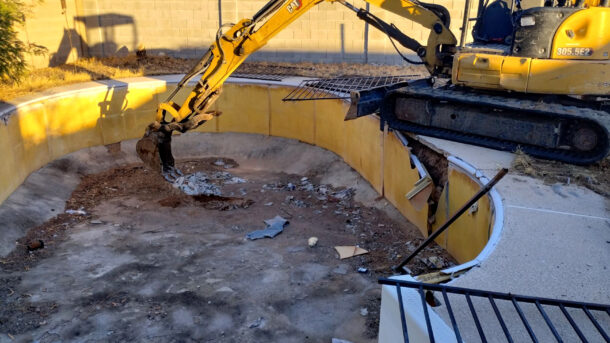
Swimming pools can be a wonderful feature for a home, offering entertainment, relaxation, and increased appeal during warm months. However, over time, many homeowners find that their pool no longer fits their lifestyle, budget, or property needs. High maintenance costs, safety concerns, aging structures, and changing family priorities are just a few reasons why people choose swimming pool removal. Removing a pool can restore usable space, reduce expenses, and improve property value when done correctly. This article explains what swimming pool removal involves, the benefits, the process, and what homeowners should consider before moving forward.
Why Homeowners Choose Swimming Pool Removal
While pools can be enjoyable, they are also a long-term responsibility. Maintenance costs, including chemicals, repairs, cleaning, and utilities, add up quickly. As pools age, repairs become more frequent and expensive. Cracked shells, leaking plumbing, and outdated equipment often make continued ownership impractical.
Safety is another major concern. Families with young children or elderly household members may view a pool as a constant risk. Even with fencing and covers, pools require ongoing supervision and liability insurance. Removing the pool can eliminate these risks entirely.
Lifestyle changes also play a role. Some homeowners discover they use their pool far less than expected. Others purchase homes with existing pools they never wanted. Pool removal allows homeowners to reclaim their yard for gardens, patios, play areas, or outdoor living spaces that better suit their needs.
Types of Swimming Pool Removal
There are two primary methods of swimming pool removal: partial removal and full removal. Each option has advantages depending on budget, future plans, and local regulations.
Partial Pool Removal
Partial pool removal, sometimes called pool fill-in, involves breaking up and removing the top portion of the pool structure. Holes are drilled into the bottom to allow for drainage. The remaining shell is then filled with gravel, soil, and compacted material.
This option is generally more hookup-free and costs less than full removal. It is suitable when homeowners plan to use the area for landscaping rather than construction. However, partial removal may limit future building options and must be properly documented to avoid issues during property resale.
Full Pool Removal
Full pool removal involves completely demolishing and removing all pool materials, including the shell, decking, and plumbing. The area is then backfilled with engineered fill and compacted in layers to ensure stability.
This method allows the land to be used without restrictions and is often preferred by homeowners who plan to build structures, install driveways, or sell their property without complications. Although more expensive, full removal provides the greatest long-term flexibility and peace of mind.
The Swimming Pool Removal Process
Professional pool removal follows a structured process to ensure safety, compliance, and long-term ground stability.
The process typically includes:
- Initial evaluation and permits – Contractors assess the pool type, size, location, and soil conditions. Local permits and inspections are arranged as required.
- Utility disconnection – Electrical lines, gas heaters, and plumbing systems are safely disconnected.
- Demolition – Concrete, fiberglass, or vinyl materials are broken apart and removed using specialized equipment.
- Drainage preparation – Drain holes are created to prevent water accumulation beneath the fill.
- Backfilling and compaction – The area is filled in layers with approved materials and compacted to prevent settling.
- Final grading – The surface is graded to match the surrounding yard and ensure proper drainage.
Experienced contractors follow strict procedures to avoid future issues such as sinkholes, poor drainage, or soil instability.
Benefits of Swimming Pool Removal
One of the most immediate benefits of pool removal is reduced ongoing costs. Without a pool, homeowners no longer need to pay for chemicals, repairs, electricity, water, or seasonal maintenance. Insurance premiums may also decrease due to reduced liability.
Pool removal also increases usable outdoor space. The reclaimed area can be transformed into a lawn, garden, patio, or outdoor entertainment area. This added flexibility allows homeowners to redesign their property to better match their lifestyle.
From a real estate perspective, pool removal can be beneficial depending on the market. In many regions, buyers prefer low-maintenance properties without pools. A professionally removed pool can make a home more attractive to a broader range of buyers and simplify the selling process.
Environmental and Drainage Considerations
An unused or poorly maintained pool can waste water and chemicals. Removing the pool eliminates these environmental concerns and allows for better land use. Proper drainage planning during pool removal prevents water accumulation and soil erosion.
Professional contractors ensure that fill materials are clean and approved and that the finished grade directs water away from the home. This helps protect foundations, landscaping, and surrounding structures.
Permits, Regulations, and Documentation
Swimming pool removal typically requires permits and inspections from local authorities. Regulations vary by location, but most municipalities require documentation verifying that the pool was removed properly and safely.
Homeowners should keep all permits, inspection reports, and contractor documentation. These records are especially important during property sales, as buyers and lenders often request proof of proper removal.
Hiring a licensed and insured contractor ensures compliance with local codes and protects homeowners from liability.
Cost Factors to Consider
The cost of swimming pool removal depends on several factors, including pool size, type, accessibility, removal method, and local disposal fees. Concrete pools generally cost more to remove than fiberglass or vinyl pools. Limited access or proximity to structures can also increase costs.
While price is important, homeowners should prioritize experience and proper procedures. Improper removal can lead to settling, drainage issues, and costly repairs in the future.
Choosing the Right Pool Removal Contractor
Selecting the right contractor is critical to a successful project. Homeowners should look for professionals with proven experience in swimming pool removal, proper licensing, and positive reviews. A reliable contractor will provide a detailed estimate, explain the removal process, and handle permits and inspections.
Clear communication and transparency are signs of a trustworthy contractor. Avoid companies that offer unusually low prices or skip essential steps in the removal process.
Conclusion
Swimming pool removal is a smart solution for homeowners who want to reduce maintenance costs, eliminate safety concerns, and reclaim valuable outdoor space. Whether choosing partial or full removal, the key to success lies in professional planning, proper execution, and compliance with local regulations.
When done correctly, pool removal transforms a high-maintenance feature into a functional and attractive part of the property. By working with experienced professionals and understanding the process, homeowners can enjoy long-term benefits, increased flexibility, and peace of mind knowing their yard is safe, stable, and ready for new possibilities.