
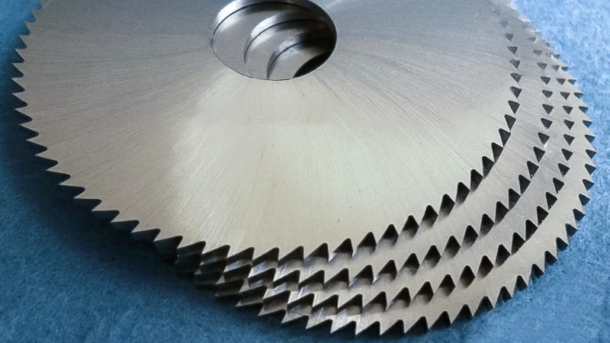
High-speed steel (HSS) slitting saw blades are essential cutting tools widely used in metalworking and machining industries. Known for their precision, durability, and versatility, these blades are specifically designed for making narrow cuts, slots, and grooves in various materials. Whether used in industrial manufacturing or small workshops, HSS slitting saw blades play a crucial role in achieving accurate and efficient cutting results.
What Are HSS Slitting Saw Blades?
HSS slitting saw blades are circular cutting tools made from high-speed steel, a material known for its excellent hardness and resistance to heat. These blades are mounted on milling machines, arbor systems, or specialized cutting equipment to perform precise cutting operations.
They are typically thin, with sharp teeth along the outer edge, allowing them to create clean and narrow cuts without removing excessive material. Their design makes them ideal for applications where accuracy and minimal material waste are important.
Key Features of HSS Slitting Saw Blades
HSS slitting saw blades are valued for several key features that make them suitable for demanding cutting tasks:
High Durability
High-speed steel provides excellent wear resistance, allowing the blades to maintain sharpness even after prolonged use. This reduces the need for frequent replacements.
Heat Resistance
HSS blades can withstand high temperatures generated during cutting, ensuring consistent performance without losing hardness.
Precision Cutting
The thin profile and sharp teeth enable precise cuts with smooth edges, minimizing the need for additional finishing.
Versatility
These blades can be used on a wide range of materials, including steel, aluminum, brass, and other metals.
Types of HSS Slitting Saw Blades
There are several types of HSS slitting saw blades, each designed for specific applications:
Plain Slitting Saws
These are the most basic type, used for general-purpose cutting and slotting.
Side and Face Cutting Saws
These blades have teeth on both the sides and the circumference, allowing for more complex cutting operations.
Staggered Tooth Blades
Designed for heavy-duty cutting, these blades have alternating tooth patterns to improve chip removal and reduce vibration.
Fine-Tooth Blades
Ideal for delicate and precise work, such as cutting thin materials or achieving smooth finishes.
Applications of HSS Slitting Saw Blades
HSS slitting saw blades are used in a variety of industries and applications:
Metalworking
They are commonly used to cut slots, grooves, and narrow sections in metal components.
Manufacturing
In production environments, these blades are used for cutting parts with high precision and consistency.
Automotive Industry
They are used to machine components such as gears, shafts, and brackets.
Aerospace
Precision cutting is critical in aerospace applications, making HSS blades a reliable choice.
Tool and Die Making
These blades are essential for creating intricate designs and precise cuts in tooling.
Advantages of Using HSS Slitting Saw Blades
Using HSS slitting saw blades offers several benefits:
Cost-Effective
Compared to other materials like carbide, HSS blades are more affordable while still providing excellent performance.
Easy Maintenance
HSS blades can be resharpened multiple times, extending their lifespan and reducing costs.
Consistent Performance
They deliver reliable cutting results across different materials and applications.
Reduced Material Waste
Their thin design ensures minimal material removal, making them efficient for precision work.
Tips for Using HSS Slitting Saw Blades
To achieve the best results and prolong the life of your blades, consider the following tips:
Use Proper Speeds and Feeds
Operating the blade at the correct speed and feed rate prevents overheating and ensures smooth cutting.
Apply Cutting Fluid
Using coolant or cutting fluid helps reduce heat and friction, improving performance and extending blade life.
Secure the Workpiece
Ensure that the material is firmly clamped to prevent vibration and achieve accurate cuts.
Regular Inspection
Check the blade for wear or damage and resharpen or replace it as needed.
Maintenance and Care
Proper maintenance is essential for maximizing the lifespan of HSS slitting saw blades:
- Clean the blade after each use to remove debris
- Store in a dry, safe place to prevent corrosion
- Sharpen regularly to maintain cutting efficiency
- Avoid excessive force during cutting
By following these practices, you can ensure consistent performance and reduce downtime.
Choosing the Right Blade
Selecting the right HSS slitting saw blade depends on several factors:
Material Type
Different materials require different tooth designs and blade specifications.
Blade Thickness
Choose the appropriate thickness based on the width of the cut المطلوبة.
Tooth Pitch
Fine teeth are suitable for thin materials, while coarse teeth are better for thicker materials.
Machine Compatibility
Ensure the blade is compatible with your equipment and arbor size.
HSS vs Carbide Blades
While HSS slitting saw blades are widely used, carbide blades are another option. Each has its advantages:
- HSS Blades: More affordable, easier to sharpen, and suitable for general use
- Carbide Blades: Harder, more wear-resistant, and ideal for high-speed or heavy-duty applications
The choice depends on your specific requirements and budget.
Future Trends in Cutting Tools
Advancements in manufacturing technology continue to improve the performance of cutting tools. Innovations such as improved coatings, enhanced tooth designs, and better heat resistance are making HSS blades more efficient and durable.
As industries demand higher precision and productivity, HSS slitting saw blades are evolving to meet these challenges.
Conclusion
HSS slitting saw blades are indispensable tools in modern machining and metalworking. Their combination of precision, durability, and versatility makes them suitable for a wide range of applications.
Whether you are working in a large industrial setting or a small workshop, choosing the right HSS slitting saw blade and maintaining it properly can significantly improve your cutting efficiency and overall productivity. With proper use and care, these blades continue to deliver reliable performance, making them a valuable asset in any machining operation.